






Discover the Kauri Collection
Kauri wood
Lord of the Forest
FROM THE HEART OF THE EARTH:
THE PRECIOUS WOOD OF 50,000 YEARS
Kauri wood (Agathis Australis) is a unique conifer that thrives exclusively in the subtropical climates of New Zealand. These monumental trees, which first appeared during the Jurassic period about 190/135 million years ago, hold the world record for trunk volume. With heights exceeding 70 meters and diameters reaching 9 meters, these giants of nature were exploited by English colonists for their precious and rare wood. Now, they are protected by New Zealand legislation, and their felling is strictly prohibited. The largest living Kauri is "Tane Mahuta", which means "Lord of the Forest" in the Maori language.
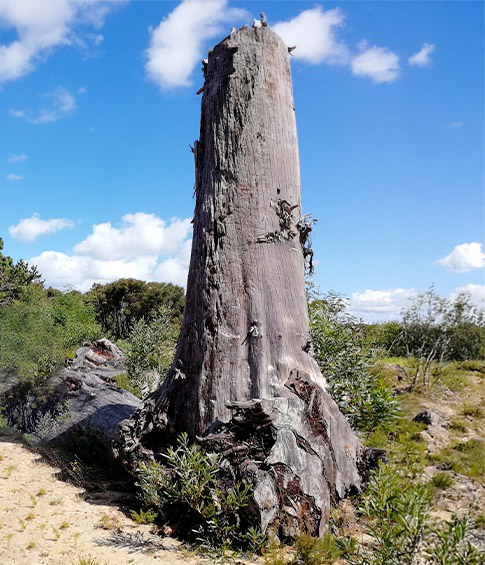

THE MILLENNIAL ROOTS
About 50,000 years ago, mysterious cataclysms submerged entire Kauri forests, creating true "underground reserves of precious wood". The remarkable feature is that, despite being buried for millennia, these logs retain all the qualities of freshly cut wood. The lack of oxygen and the particular conditions of the soil have allowed these specimens to evade the processes of decomposition and petrification, reaching us intact to this day.
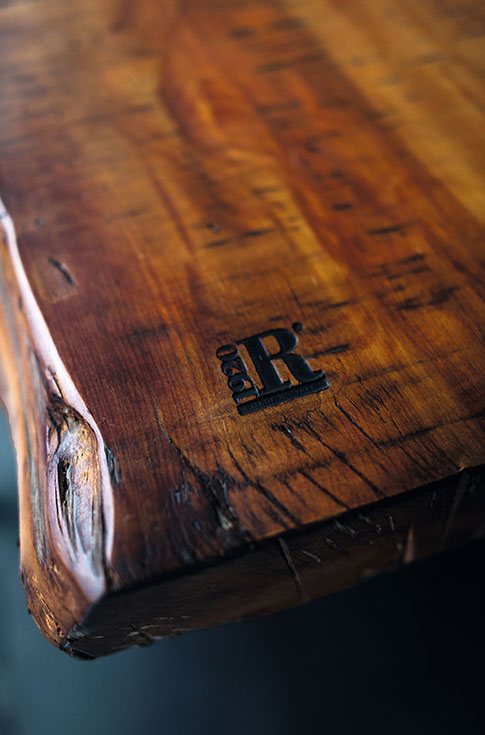
Its noble strength, its historical value, its timeless charm. From the heart of the Earth, a 50,000 year old wood.


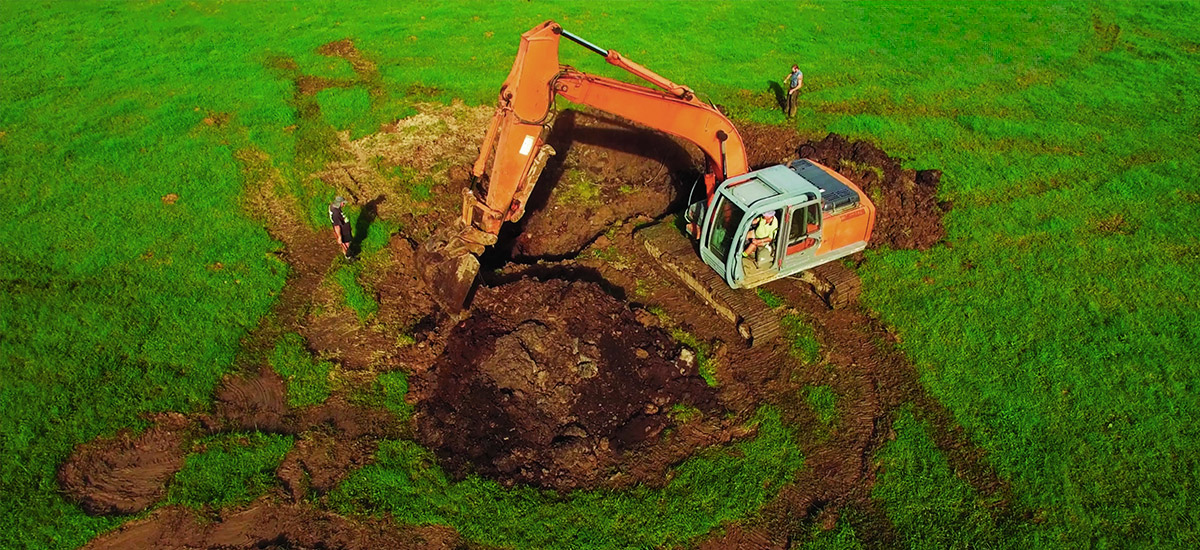
Once a new “mine” has been located, the logs can be extracted with excavators and bulldozers. Recovery operations are difficult due to the muddy and infirm terrain in places hardly accessible and to the notable size of trunks, which can be lifted by only heavy equipment. The trunks may weigh up to 200/300 tons, so operators have to cut them into two or more parts before being able to lift them and take them away.
These portions of the trunks are then cut into boards in a most delicate operation which calls for long and careful processing to obtain a constant thickness, which requires a system of tangential cutting to minimize moving the enormous trunks. The rainy winters and the swampy terrain force operators to do the excavating in only the dry season and to devote the months of winter to working on and finishing the materials.


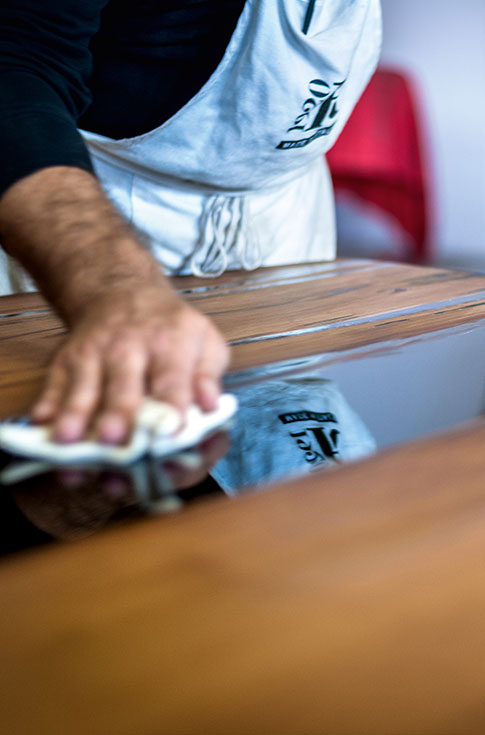
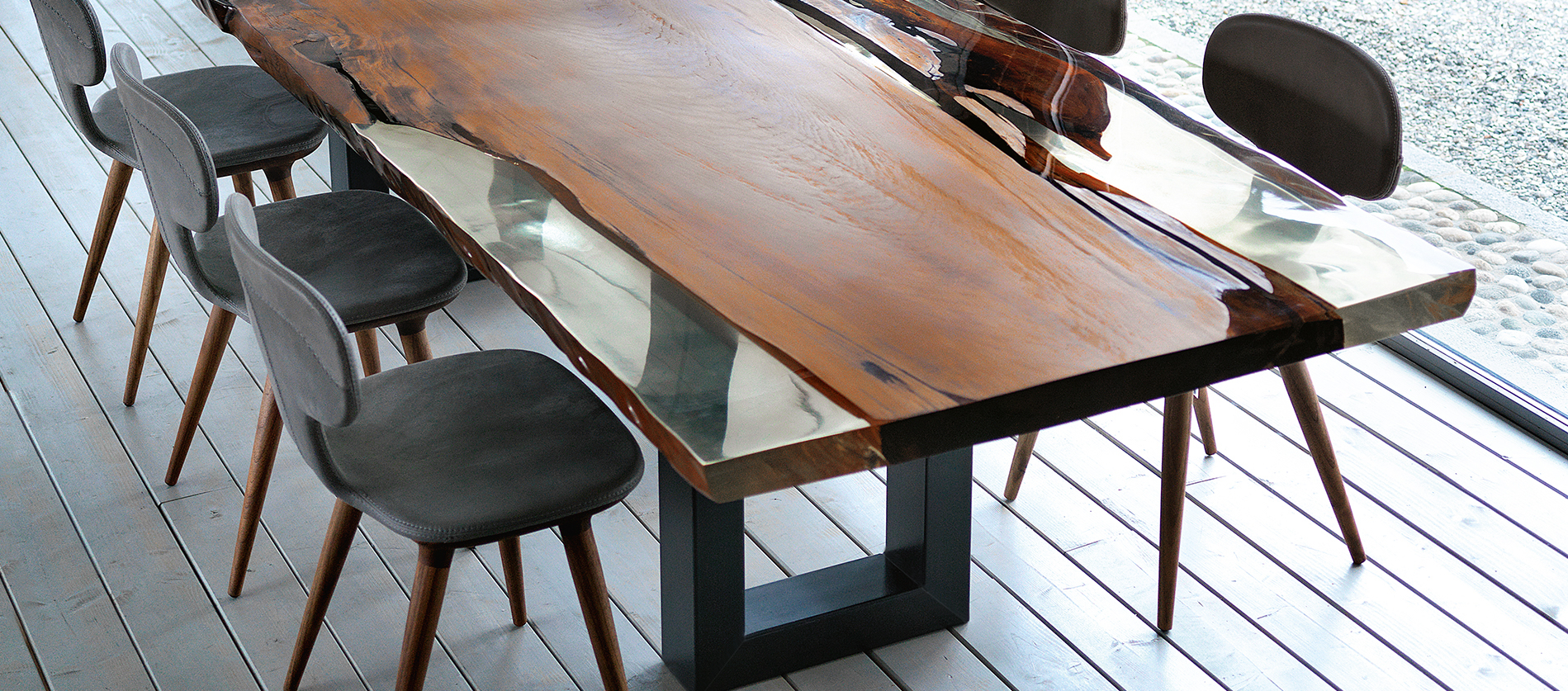
The raw slabs can be worked with resin, through a very delicate and slow process that permits to capture the wood inside a transparent frame, by filling its natural cavities and levelling out the sides. The table is then sanded by hand to obtain an evenly smooth surface; the final process is the finishing through oil of vegetable origin.

In the warehouse of Riva 1920, in addition to walnut, oak and other traditional woods, Kauri slabs are also stored in this warehouse where they reach up to 12 meters in length and 2.40 meters in width and with thickness between 8 and 14 cm. It is a veritable wood house, constantly updated thanks to periodical incoming deliveries after long sea journeys, as in the case of Kauri wood.

